Positive effects

Effects on body & mind

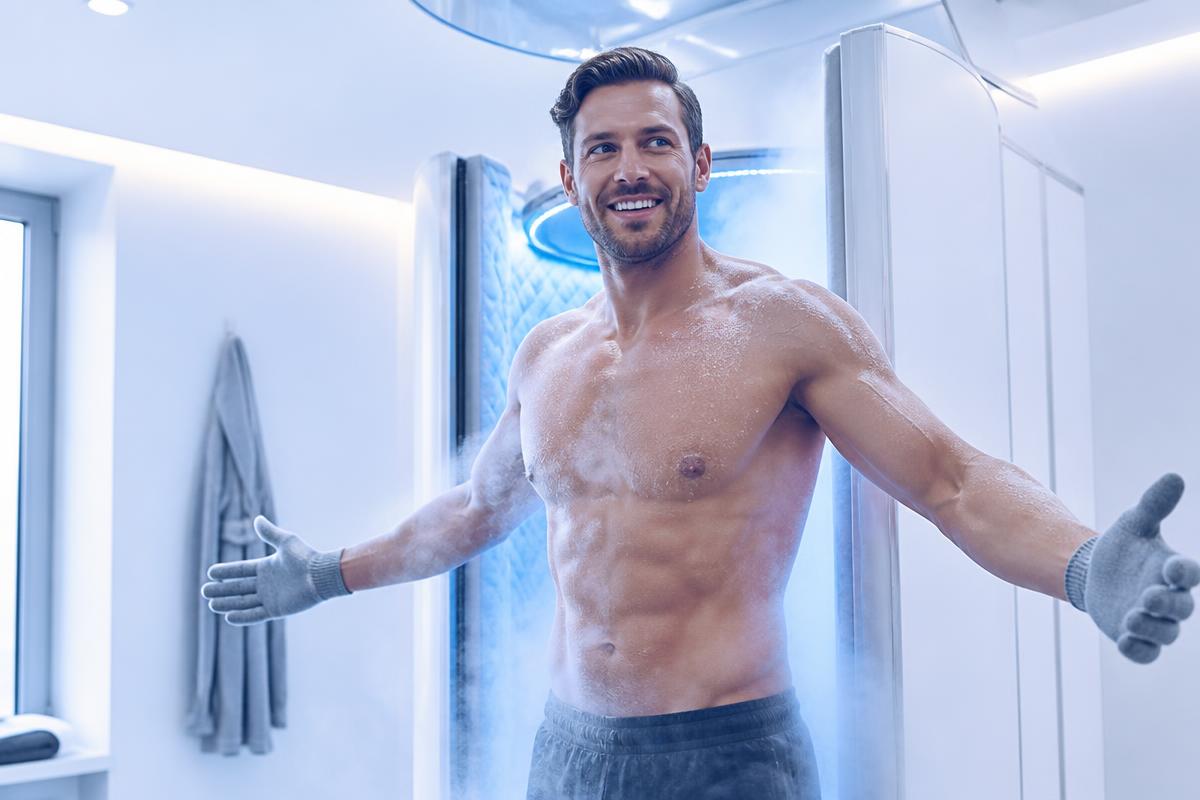
Cryotherapy (Cryo) works with a short, controlled cold stimulus. This section explains which physiological responses are triggered and how the research should be read.

Please note: we cannot promise any cure – every body responds differently to cold therapy. Results also depend on regular sessions of at least 2–3 times a week over a longer period.

Cryotherapy (Cryo) Health

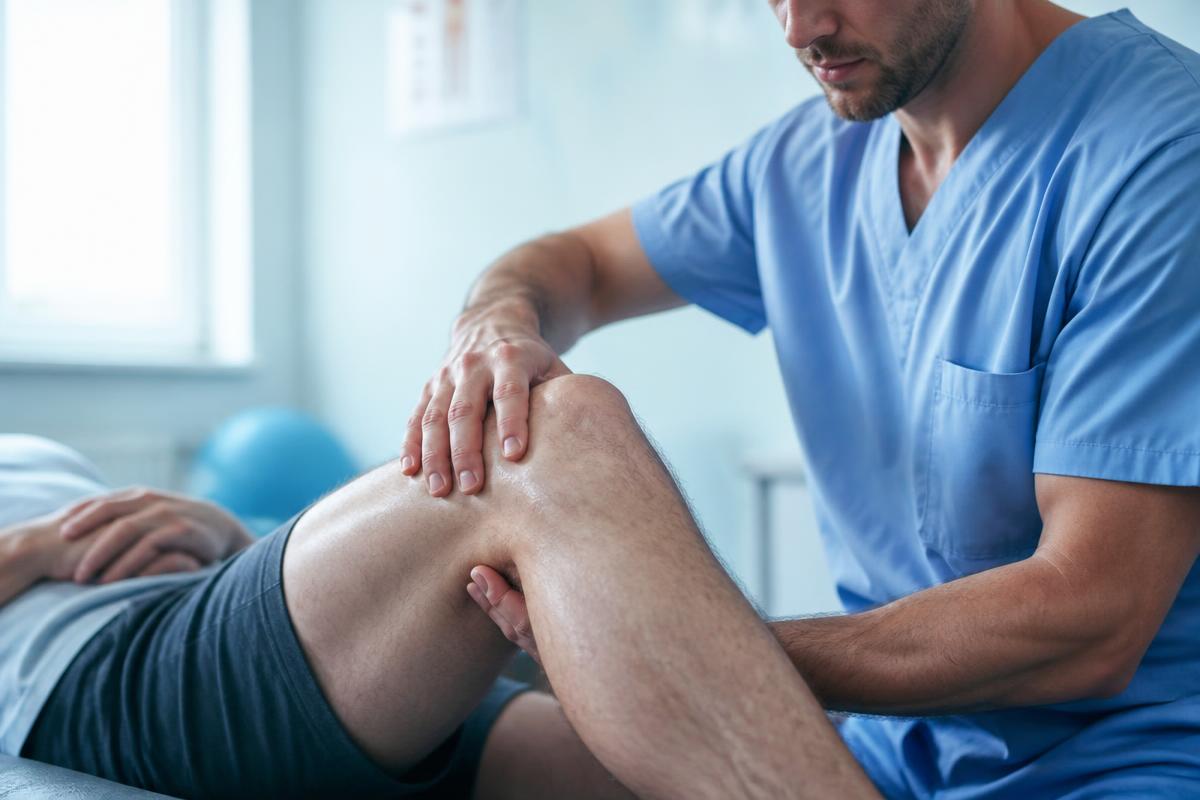
Health

In a health context it is above all the series application that has been studied: single sessions act in the short term, while several applications over weeks show the clearer changes in the literature. The list below names the reference points described.

  • Relief of pain and inflammatory reactions
  • Support with lymphedema and lipedema
  • Relief of muscle and joint complaints
  • Eased complaints from joint and spinal conditions (arthritis, osteoarthritis, rheumatic diseases)
  • Support for wound healing
  • Support for recovery after injuries
  • Support for postpartum recovery
  • Relief of complaints after vaccine reactions
  • Relief of allergic complaints
  • Accompanying support with autoimmune diseases (e.g. MS)
  • Eased complaints from fibromyalgia and collagenoses
  • Activation of the vagus nerve (accompanying support with long covid)
  • Relief of tinnitus symptoms
  • Less frequent and less intense migraines possible
  • Reduced spasticity in infantile cerebral palsy
  • Relief of skin complaints from psoriasis
  • Eased complaints from atopic dermatitis
  • Support for the airways with lung conditions
  • Eased complaints from bronchial asthma
  • Relief of back pain and sciatica
  • Eased complaints from ankylosing spondylitis
  • Relief with tendovaginitis, tennis elbow and carpal tunnel syndrome
  • Relief of gout complaints and swollen joints
  • Relief of restless legs complaints
  • Support with chronic fatigue syndrome (CFS)
  • Eased complaints from Hashimoto's and thyroid problems
  • Relief of irritable bowel and digestive complaints
  • Reduced swelling and edema after surgery
  • Relief of itching and sun allergy
  • Relief of tension-related headaches
Book appointment
Cryotherapy (Cryo) Sport

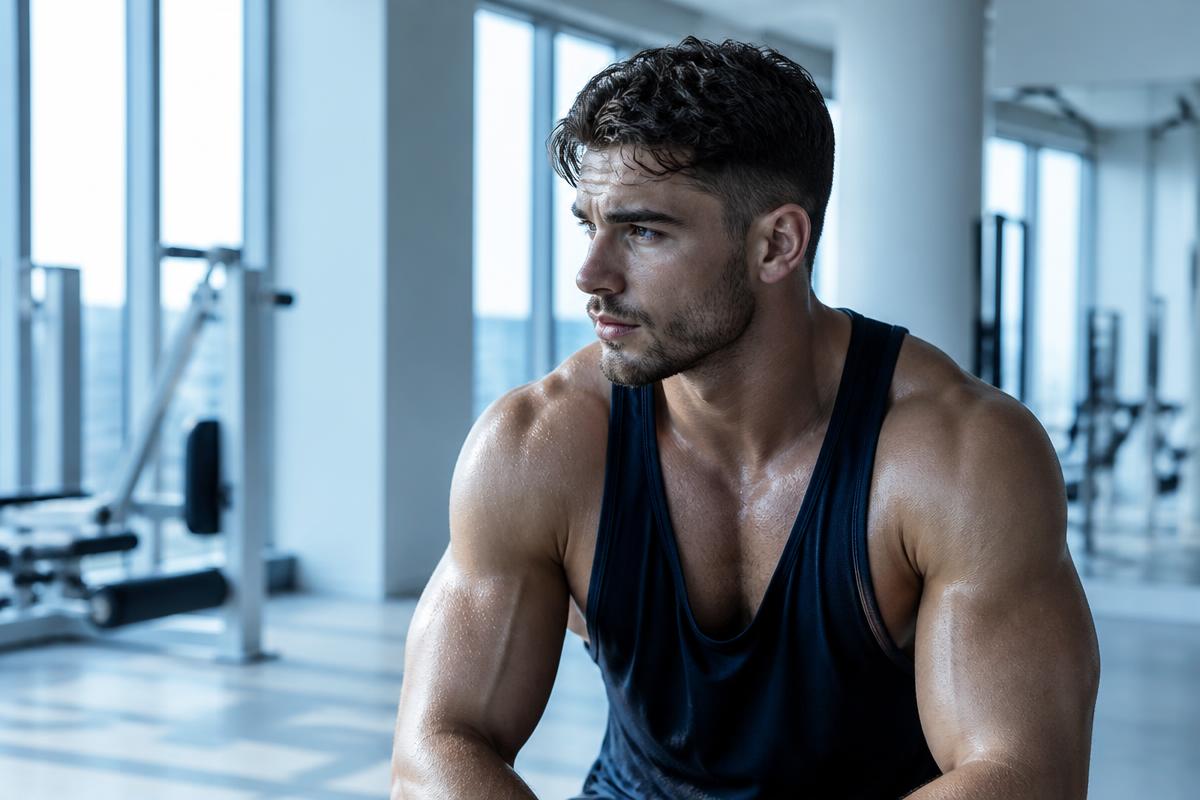
Sport

In sports physiology whole-body cold is regarded as a tool for steering recovery: it is used deliberately after peak loads, not immediately before strength stimuli. The points below summarise the effects studied.

  • Faster recovery from sports injuries
  • Reduces sport-related muscle injuries and damage
  • Reduces exercise-induced hemolysis (turnover)
  • Speeds up the healing of sports injuries
  • Improves recovery and regeneration capacity
  • Faster reduction of inflammation
  • Earlier resolution of muscular inactivity
  • Prevents prolonged restrictions of joint mobility
  • Stronger muscle blood flow and metabolic activation of the muscles
  • Reduces disturbances of proprioception (joint injuries following long immobilization)
  • Prevention of atrophy
  • Reduced risk of secondary injuries
  • Shorter periods of inactivity
  • Positive effect on disturbed sleep and general well-being (following injuries)
  • Less muscle soreness after intense sessions
  • Shorter recovery time between two workouts
  • More readiness to perform before competition
  • Better sleep quality during intense training phases
  • Supports muscle building through faster recovery
  • Mental strength and focus in training
Book appointment
Cryotherapy (Cryo) Vitality

Vitality

The short, intense cold exposure activates the sympathetic nervous system and leads to a measurable release of messenger substances. This explains the sense of alertness regularly described in studies on whole-body cryotherapy.

  • Longevity
  • Strengthens the immune system
  • Energy boost
  • Fresh and vital (exhaustion)
  • Mood booster (burnout)
  • Mental balance (depression)
  • Hormone balance (fertility, PMS, postpartum recovery, menopause)
  • May reduce night sweats
  • Improved sleep
  • Stress relief
  • More focus and mental clarity
  • Regulation of cortisol levels
  • Strengthens the autonomic nervous system
  • Better cold adaptation and resilience
  • More drive and motivation in everyday life
  • Support for shift work and jet lag
  • Activates the metabolism
Book appointment
Cryotherapy (Cryo) Beauty

Beauty

The cold stimulus first narrows the superficial skin vessels; after leaving the chamber they widen again. This alternation explains why the complexion is perceived differently after a session. The points below place the cosmetic level in context.

  • Anti-aging
  • Body shaping
  • Fat burning of up to 1,000 kcal
  • Tightens skin and connective tissue (wrinkles, cellulite, stretch marks)
  • Rejuvenated face (glow)
  • Harmonious complexion (rosacea)
  • Fading of varicose veins
  • Improvement of scars (C-section)
  • Stimulates collagen production
  • Refined skin texture and smaller pores
  • Better blood flow in the skin
  • Support for acne and blemished skin
  • Firmer face and neck contours
  • Stronger hair and a healthier scalp
Book appointment

The physiology

What happens during a cryotherapy (cryo) session

At -110 °C the body first reacts through skin receptors: superficial vessels constrict, blood shifts towards the core and the sympathetic nervous system is briefly activated. After leaving the chamber the vessels widen again – this alternation is the actual training stimulus of cryotherapy (cryo).

The literature mainly looks at inflammatory parameters, recovery after exertion and pain perception. The evidence differs in strength depending on the question, so we deliberately speak of possible effects rather than guaranteed results.

  • Vasoconstriction

    Superficial vessels narrow during exposure, blood shifts towards the core.

  • Reactive perfusion

    Vessels widen again afterwards – the alternation acts like vascular training.

  • Cold adaptation

    Repeated stimuli over several weeks change how the body responds to cold.